 Mount Batur · GI Kintamani Bali Arabica
Kintamani Arabica: GI Bali Coffee from Mount Batur
Single-origin, GI-protected Kintamani Bali Arabica — grown in Subak Abian cooperatives on volcanic highland slopes, intercropped with citrus for a clean, bright cup. Green coffee for roasters and importers, plus the story behind the bean.
What are you sourcing?
Tell us what you need and we'll point you to the right lot and next step.
At Batur Highland Coffee, we offer the finest Kintamani Arabica coffee, a renowned specialty coffee that captivates with its unique flavor profile and rich cultural heritage. For roasters and importers seeking a premium green coffee origin, our GI-certified Kintamani lots offer not just quality but a story of tradition and sustainability.
The Geographical Indication Origin
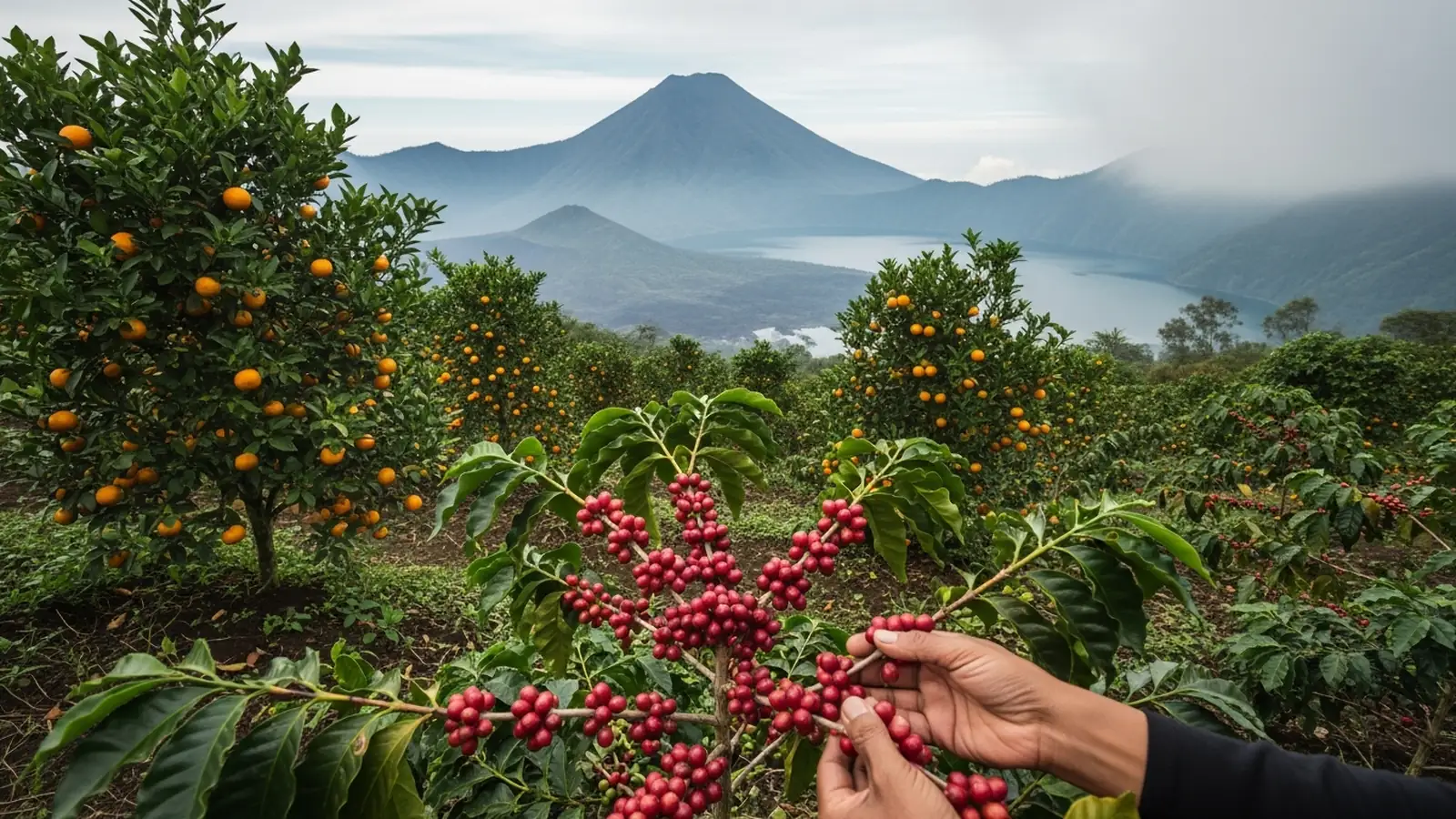
Kintamani Bali Arabica Coffee (KBAC) is Indonesia’s first Geographical Indication (GI) coffee, registered in 2008. Grown on the fertile volcanic soils of Mount Batur and its caldera, it thrives at elevations typically ranging from 1,000 to 1,500 meters, with some fields reaching approximately 1,600 meters. This coffee is cultivated through the Subak Abian cooperative system, a traditional Balinese farmer organization deeply rooted in the Tri Hita Karana philosophy. This philosophy emphasizes harmony between people, nature, and the divine, ensuring sustainable and ethical farming practices. A distinctive feature of Kintamani coffee is the intercropping with citrus trees, particularly oranges, which contributes to its unique flavor profile. While the citrus-like acidity is widely recognized, it is important to note that it is a hallmark of the origin narrative rather than a proven chemical mechanism.
Flavor Profile and Specialty Grade
Kintamani Arabica is celebrated for its clean cup, high clarity, and bright, lively citrus-like acidity. Typical flavor notes include citrus, orange, lemon, and other fruity nuances, paired with a light-to-medium, smooth body. This flavor profile is consistently described by specialty coffee experts and is a testament to the region’s unique terroir. The coffee is graded according to the Specialty Coffee Association (SCA) standards, with well-processed GI-compliant lots frequently scoring in the low-to-mid 80s. While these scores are indicative, they reflect the high quality of Kintamani coffee. The varietals grown in the region are primarily Arabica, with Typica-related lines and regionally adapted Indonesian highland lines such as S795 and USDA-derived selections. Specific cultivars like Kartika vary by Subak Abian and should be stated as producer-specific.
Processing Options
The processing of Kintamani Arabica coffee is a critical aspect of maintaining its GI quality standards. The traditional method emphasizes wet or washed processing, which involves pulping, fermentation, washing, and controlled drying. This method is preferred for its ability to highlight the coffee’s bright acidity and clean profile. However, Bali specialty exporters also offer natural and honey-processed lots to cater to diverse specialty coffee preferences. These alternatives provide different flavor profiles, with natural processing enhancing fruity notes and honey processing offering a balance between the two. It’s important to note that while these processing options are available, they are exporter offerings rather than GI-codified processes.
B2B Export Practicalities
- Grade: Typically conforms to Indonesia’s Grade 1 Arabica standard
- Packaging: 60kg jute bags with GrainPro-type hermetic liners
- Moisture Content: Approximately 11-12%
- Incoterms: Commonly FOB Surabaya; CIF/CFR/EXW negotiable
- Minimum Order Quantity (MOQ): Ranges from a few 60kg bags to full container loads
- Documentation: GI confirmation, SCA cupping scores, phytosanitary certificates, ICO compliance
Export logistics are coordinated from Bali, with the primary port being Surabaya. Buyers can request specific certifications such as organic, fair-trade, and sustainability from certified cooperatives, though these are not mandatory under the GI. Pricing is indicative and negotiated based on order specifications.
The Authentic Farmer Story
The Kintamani coffee story is one of tradition and community. The Subak Abian cooperatives embody the Tri Hita Karana philosophy, fostering a harmonious relationship with the environment and ensuring sustainable practices. These cooperatives are more than just farming organizations; they are custodians of the land and its cultural heritage. Farmers work diligently to maintain the quality standards set by the GI, and their commitment is reflected in every cup of Kintamani coffee. The cooperative system not only supports the local economy but also preserves the unique agricultural practices that give Kintamani coffee its distinctive character.
Impact on Local Communities
The cultivation of Kintamani Arabica coffee is not just an agricultural endeavor but a significant contributor to the socio-economic development of local communities. The Subak Abian cooperatives provide a structured system for farmers, ensuring fair compensation and a shared sense of purpose. Through these cooperatives, farmers gain access to education on sustainable farming practices, financial management, and technical assistance, which helps improve yield and quality. Additionally, the cooperative model fosters a sense of community, encouraging collective problem-solving and decision-making. This empowerment of local farmers leads to improved livelihoods, better education opportunities for their children, and overall community development. Furthermore, the emphasis on sustainable practices ensures that the environmental resources are preserved for future generations, securing the long-term viability of coffee farming in the region.
Role of Sustainability and Innovation
Sustainability is at the core of Kintamani coffee production. The integration of traditional practices with modern agricultural innovations allows for the efficient use of resources while minimizing environmental impact. Farmers are encouraged to adopt organic farming techniques, reducing reliance on chemical fertilizers and pesticides. Innovations such as water-saving irrigation systems and composting are promoted to enhance soil fertility and water conservation. Additionally, initiatives are underway to reduce carbon footprint by optimizing transportation logistics and using renewable energy sources where possible. These efforts not only align with global sustainability goals but also enhance the reputation of Kintamani coffee as an environmentally responsible choice. By investing in sustainable practices and embracing innovation, Batur Highland Coffee ensures that its operations benefit both people and the planet, setting a standard for other coffee-producing regions.
Request Cupping Samples or a Quote
We invite roasters and importers to experience the unique qualities of Kintamani Arabica coffee firsthand. Request cupping samples or a detailed quote by contacting us via WhatsApp. Our team is ready to assist you with all inquiries, providing you with the necessary information to make an informed purchase decision.
Discover more about our offerings and the rich heritage of Kintamani coffee by visiting our green coffee export page. Join us in celebrating the unique flavors and cultural richness of Kintamani Arabica coffee.